Era Pickleball: Finding the Best Pickleball Courts Near Me
If you spend Saturdays chasing a little whiff of adrenaline on a painted court, you know how quickly a good pickleball facility becomes the linchpin of your week. I’ve spent years hopping between rec centers, private clubs, and multi-purpose gyms in pursuit of the kind of courts that make the game sing rather than drag. Era Pickleball has become a useful umbrella for both players seeking consistent courts and facilities aiming to elevate their game environment. This essay isn’t about hype; it’s about practical, lived experience—how to identify the best pickleball courts near you, what to expect from indoor and outdoor venues, and how to navigate memberships, leagues, and lessons with a shopper’s eye.
From the moment a player enters a pick-up session to the day the club staff know your name, a court’s value shows up in small, almost invisible ways. Lighting that doesn’t sting your eyes, floors that don’t squeak, smooth nets that stay taut, and a scorekeeper who actually knows the rule nuances of the latest season. A truly great pickleball facility is a place you want to return to, not a place you survive. pickleball open play Here is a guide built from years of practice, observation, and a few teachable moments that helped shape my own approach to finding the right courts.
First, a quick map of what most players should expect when they start the hunt. Indoor pickleball courts tend to feel different from outdoor ones, and the distinction matters for your training and your results. Indoor venues usually offer climate-controlled air, consistent lighting, and a floor that minimizes foot fatigue while preserving grip. Outdoor courts bring wind, sun, and unpredictable bounce—factors you learn to adapt to, with some venues offering wind shields, shade structures, or even artificial turf to soften skip-on bounce. The best performers learn to train in both environments because real tournaments often mix indoor and outdoor play, depending on the season and location.
Seasonal rhythm shapes everything. In many regions, winter drives a spike in indoor play, and summer shifts more players outside. This drift matters because the availability of era pickleball clubs and top-tier facilities often follows seasons rather than the calendar. If you live near a university campus or a city with a strong rec department, you’ll notice that the best courts near you tend to fill up earlier in January and again in late summer when leagues start back up. The practical impact is simple: if you want a reliable lane of play, you need to become a known quantity at the venue. That means showing up consistently, respecting court times, and taking the chance to talk to the staff about upcoming leagues or clinics.
What to look for when you walk in
The first impression is rarely the final verdict, but it matters. A clean, well-lit space signals ownership and attention to detail. The floors should feel solid underfoot and not give unevenly when you pivot. If you’re using Era Pickleball facilities, you’ll want to see a few consistent markers: properly anchored nets with visible height marks, freshly painted lines, and a rhythm in play that doesn’t involve players tripping over extension cords or bumping into storage carts. At a high-quality venue, you’ll notice that the staff have a system for court assignment, a willingness to answer questions, and a straightforward process for check-in and equipment rental or purchase.
In practice, this looks like a staff member who can direct you to a court, explain the current league schedule, and explain the facility's policies on guest players, proper footwear, and water breaks. If you’re a new player, you’ll value the presence of a friendly mentor or a clinic that runs before the main session. That’s not a marketing gimmick; it’s how a good facility builds culture. A place that trees your arrival with a warm greeting and a quick 60-second orientation is a place with a respect for players’ time and safety.
Equipment quality matters too. A venue that maintains a reliable supply of paddles and balls, or at least provides a quick rental option, demonstrates practical thinking. I’ve learned that even the best courts can fail if the wrong balls circulate. The seam wear on balls provides a surprisingly accurate window into a venue’s maintenance schedule: balls that look like they’ve been through a dozen rough days are not just annoying; they slow down the game and increase the chance of a miscall on a pivotal rally.
A useful test when you tour a facility is to observe a few games for rhythm and flow. Do players rotate smoothly? Is there a dedicated practice area with practice walls, or do you end up chasing balls through foot traffic? How long is the average wait for a court during peak hours? A well-managed venue will publish an average wait time, or at least give you a sense of the typical game-to-game cycle. You’ll learn quickly that the best courts manage not just the physical space but the tempo of play. When a facility has built a culture around efficient rotation, you sustain your focus, your swing stays fresh, and your competitive drive remains intact.
Understanding the economics of the space is not a luxury. It’s a practical lens for how sustainable a court is and how realistic it is to commit long term. Indoor leagues, court time pricing, and membership plans can be opaque if you don’t read the fine print. The most straightforward approach for a prospective member is to map out a few scenarios: the cost of a single drop-in session versus a monthly or annual membership; the impact of guest passes if you play with friends who aren’t members; and the penalties or grace periods for late cancellations. Some venues price by the hour for court time and add a small equipment rental fee; others bundle court time with member benefits, including preferred rates on clinics or guest access. I’ve found that a well-structured program with predictable pricing makes it easier to plan your weekly routine, which in turn reinforces consistency in your game.
Two quick examples from the road illustrate the differences that matter in real life. The first is a mid-sized urban club that built its reputation on a steady drumbeat of beginner clinics and social leagues. It’s a place where you can show up with minimal planning and still leave with a handful of new friends and a handful more open hits on your stats board. The second is a family-oriented facility that sits on the edge of a suburban shopping center. It balances a heavy junior program with a serious adult ladder, but it occasionally feels like a maze to navigate for newcomers. Both emphasize safety, cleanliness, and a positive playing atmosphere, yet they appeal to different kinds of players. The best choice for you will hinge on your goals: social play, competitive play, or a blend of both.
A practical path to finding the best courts near you
If you’re new to the search, or you’re dissatisfied with the status quo of your current courts, here is a practical route I’ve used with consistent success. It blends on-site observation with a little detective work and a willingness to test drive a few options before committing to a long-term arrangement.
First, identify three to five venues that fall within a reasonable drive. You can base this on a simple online search for “pickleball near me” or “Era Pickleball indoor pickleball courts” and so on. Then compare these venues along a few concrete axes: court quality, staff responsiveness, league depth, and price. Visit each venue during a time when you’re likely to play so you can gauge crowd levels and the general pace of play. If possible, talk to players who have been around for a while. They’ll tell you which staff changes affected the culture most, which courts tend to play truer, and where the wind is most likely to whip across an outdoor court.
Second, look for a core calendar of events. A robust venue will have a timetable for drop-in play, clinics, and ladder leagues. In particular, gauge how player progression is handled. Are there skill-based sessions that provide feedback? Is there a system for pairing you with players of similar caliber so you don’t feel overwhelmed or bored? A good club tends to publish results or seedings for leagues, but it also keeps a humane pace for new players eager to rise up. If the facility is tight about this, it might mean they have enough interest but lack the coaching bandwidth to support growth.
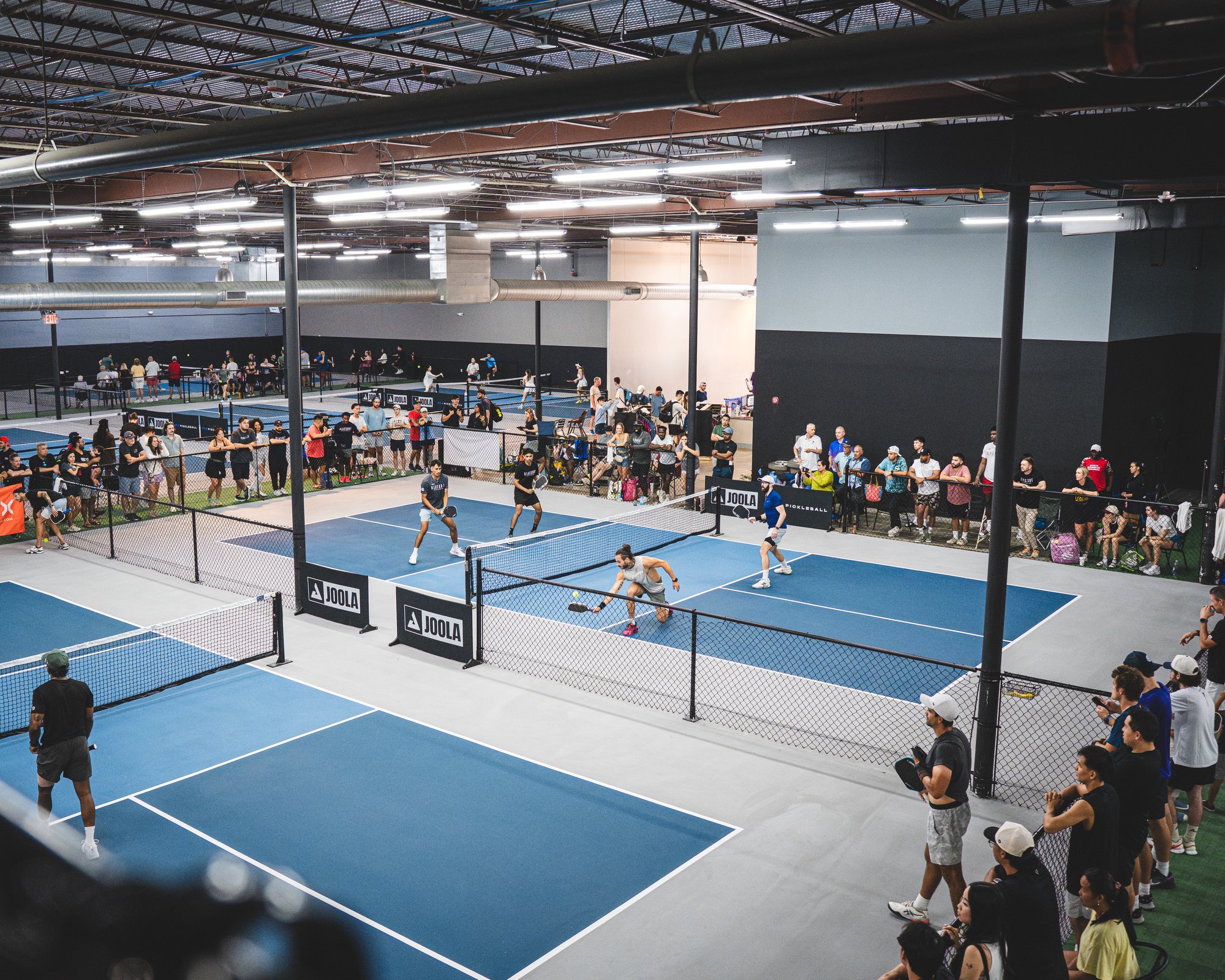
Third, test the social dimension. The best courts near you are often the ones where the net value of the session goes beyond the scoreboard. Do players introduce themselves to new faces? Does the facility host social nights, end-of-season celebrations, or inter-club challenges? The social fabric matters just as much as the technical floor. In my experience, a place that nurtures friendships around a shared sport keeps you coming back even when your backhand isn’t firing on all cylinders.
The balance between indoor and outdoor experiences matters more than you might think
If you are fortunate to have access to both indoor and outdoor courts, you can cultivate a deeper game by training across environments. The physics of the ball shift with wind and sun exposure, but so too does your decision-making. Indoor courts typically reward precision: the ball doesn’t die as quickly on impact, and there’s a consistent bounce. Outdoor courts throw a curve ball at your timing, especially on windy days when a short dink may get pushed into the net or drift long because of gusts. The more you train across both settings, the more you learn to read your own tendencies and adjust your stroke mechanics on the fly.
This approach means you should consider what your local era pickleball facilities can offer in terms of mixed environments. If a club can guarantee a certain number of indoor and outdoor courts with reliable lighting and good air quality, that’s a big plus. If you must choose, prioritize indoor access during the winter and spring shoulder seasons, then seek outdoor options when the weather allows for it. The practical benefit is a broader skill base: you’ll master dink placement under controlled conditions and then translate that into efficient, wind-aware shot selection.
The role of coaching and structured progression
A strong facility does not merely host games; it teaches. Coaching is an investment in your long-term enjoyment and improvement. In my experience, the most successful programs combine group clinics, private sessions, and timed drills that reinforce core principles while letting players apply them in real match contexts. You should look for coaches who can articulate a clear progression path: foundational control, transition to net play, then short- and mid-range strategy. A good coach should also be able to tailor advice to your unique biomechanical style—your height, reach, and preferred shot shapes.
Keep an eye on the small but telling details. Do the coaches show up on time? Do they arrive prepared with a plan, and do they adjust the plan when they sense frustration or fatigue in the group? Are there opportunities to watch recorded footage or receive a printable recap of your drills? If the answer is yes to these questions, you’re likely looking at a facility that treats coaching as a serious, ongoing discipline rather than a side hustle.
For many players, the decision to join a pickleball club within a facility is a moment of turning point. Clubs often offer a sense of belonging that goes beyond the court. They create a rhythm for your week, a space where you can build consistency and see your improvement in a tangible way. A well-run club also has a governance or leadership structure, something you can engage with if you want to contribute to the culture or help shape a future schedule. In practice, you’ll see this in monthly member meetings, draft rules for play etiquette, and sometimes even charity events that align with the sport’s community spirit. If you’re curious about a club’s long-term vision, ask about how they plan to expand courts, add new programming, or refresh equipment.
A practical checklist, and two short comparisons
To keep this grounded, here are two practical lists that should fit easily into a busy schedule. The first is a quick checklist you can use during a tentative visit. The second is a concise, real-world comparison to help you decide between a couple of contenders near Era Pickleball facilities.
Checklist for an on-site visit (five items)
- Observe court conditions: clean lines, taut nets, no visible trip hazards.
- Check staff responsiveness: can you get a direct answer to a question without wandering?
- Review the schedule: is there a steady rhythm of drop-ins, clinics, and leagues that match your level?
- Inspect equipment options: are there functional paddles and balls available for trial or rental?
- Assess climate and comfort: good ventilation or shade where needed, comfortable temperature, lighting not straining the eyes.
Two short comparisons for quick decision making (five items each)
- Indoor venue A vs indoor venue B: indoor lighting quality, floor feel, court pace, coaching availability, monthly cost.
- Outdoor venue C vs outdoor venue D: wind management features, shade coverage, surface consistency, crowd management, daytime access.
The realities that often go unspoken
There’s a practical dimension to all this that isn’t always said out loud: you will miss a few sessions when life intrudes. The best venues understand this and offer reasonably forgiving policies. A fair system will allow for a few guest passes or a casual cancellation window without significant penalties, especially for members who maintain a consistent attendance pattern. If a facility penalizes every missed session with a heavy fee, that is a sign of a hard-edged business model that may not have your long-term playing happiness in mind.
Another reality is the balance between competition and community. An overemphasis on ladder rankings can push casual players away, while a purely social, drop-in atmosphere can frustrate serious competitors who crave real progression. The best environments thread this needle with a clear pathway for advancement—social events that build membership while maintaining competitive ladders with visible results and fair seeding.
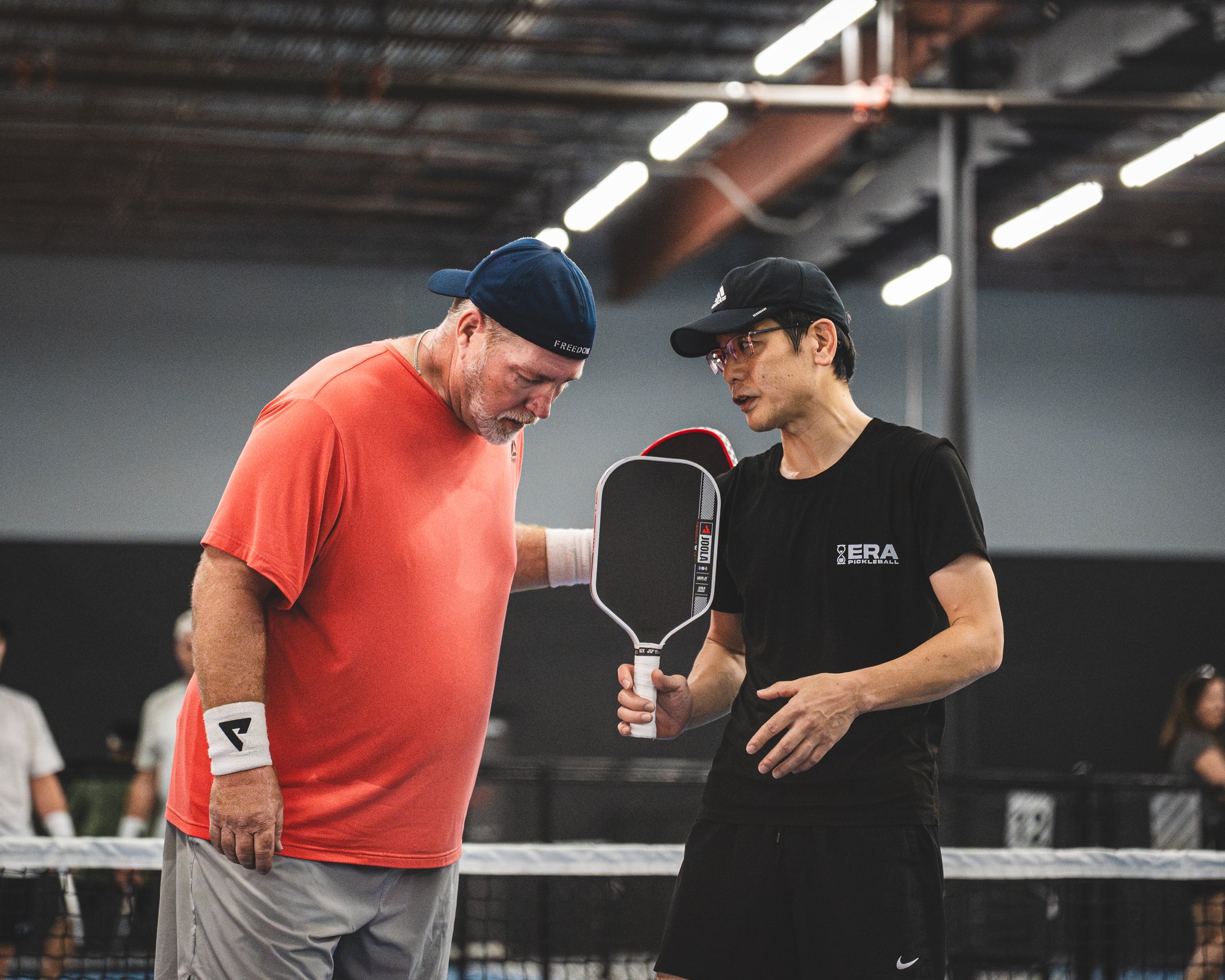
If you want a concrete example to anchor your decision, consider the following. A facility that operates a consistent weekly schedule with three open play blocks, two ladder nights, and one clinic night offers a predictable cycle you can fit into a busy calendar. Compare that to a venue that offers sporadic drop-ins and sporadic clinics; the latter creates an atmosphere of uncertainty, which tends to erode consistent practice. The difference is not just about the court; it is about the ecosystem around the court—the people, the time, and the shared language of the game.
The social and cultural value of a strong era pickleball club
In my experience, the strongest pickleball clubs are those that cultivate a culture of welcome and a sense of shared purpose. Members who stay long enough to watch the club evolve often become informal ambassadors for the sport: they invite friends to try a clinic, they help newcomers find the right court slots, and they share tips that help people avoid common rookie mistakes. This is not a marketing trick; it is long-term community building that makes a venue truly worth joining. When you encounter a club where members are quick to help a new player adjust to line calls, ball bounce, and court etiquette, you know you’ve found a place that understands the social gravity of the game.
A note on safety. The sport is fast, and injuries can happen when players push beyond their comfort zone. The best facilities enforce basic safety standards: proper footwear, non-slip flooring, and clear rules about not rushing the non-volley zone or becoming a hazard to other players during quick exchanges. Coaches who emphasize safe play habits, such as how to recover after a long rally or how to reposition after a misread ball, add a practical layer that protects your body and your game in the long run.
Your decision framework, distilled
If you want a concise framework to guide your next visit, here is a quick mental model you can apply. Start with the court: is the surface reliable, are nets taut, is the lighting easy on the eyes? Then turn to staff and programming: how easy is it to get information, can you participate in structured clinics, are there meaningful leagues that fit your level? Finally, weigh the social and economic dimensions: does the club feel welcoming, and is the pricing structure predictable and fair for what you get?
A few final reflections from the road
To find the best pickleball courts near you, you must balance the tangible with the intangible. The physical quality of a court matters, but the people who use and manage the space decide whether you stay long enough to improve. The places I’ve loved most are not the ones with the most courts or the flashiest marketing. They are the facilities where you can show up, be treated as a player rather than a transaction, and leave with the feeling that your game is gradually becoming sharper and more nuanced.

When you map your options, consider a period of disciplined trial. Book a few sessions at each venue, try a clinic if it’s offered, and see how you feel after two or three weeks. If the cadence fits your weekly rhythm and the environment sustains your focus, you’ve found a good home. If not, you know what to adjust, and you can keep moving until a better fit emerges.
In the end, Era Pickleball is more than a brand or a collection of courts. It represents a growing ecosystem of spaces that allow players to walk in, play with intention, and leave with a little more clarity about their own potential. The best of these spaces stay with you not because they cure you of every flaw overnight, but because they help you develop the discipline and joy that keep the game honest, demanding, and endlessly rewarding.
If you’re ready to start your search, set a plan. Pick three venues within a reasonable drive that advertise consistent court access, coaching options, and a balanced schedule of social and competitive play. Schedule visits, talk to staff, observe a session, and chat with players who’ve been members for a while. The process won’t just reveal where you want to play; it will tell you something about your own game and what you value most in a pickleball home.
The journey toward finding the right courts near you is not a straight line. It’s a loop of trial, adaptation, and commitment to a sport that rewards those who show up with energy and humility. The era of Era Pickleball has helped many players see that the right courts are about more than the surface they stand on. They are about a community that makes practice feel purposeful, a culture that keeps you curious, and a space that invites you to grow, one rally at a time.
Corrections
Spot something wrong? Send it to the desk and it gets fixed in the open.