Era Pickleball: Why Our pickleball classes Transform Players
The first time I watched a group of players arrive at Era Pickleball’s gym, the room carried a quiet electricity. Shoes squeaked on the floor, grips snapped, and a murmur of anticipation drifted above the steady thump of balls against paddles. By the time the warmups rolled around, you could sense something different in the air that isn’t always present in recreational courts. It is the feeling you get when a program has been designed with intent, tested with patience, and refined through real lives on the court. This is how Era Pickleball pickleball classes become more than a routine. They become a practical pathway toward better movement, clearer strategy, and a mindset that makes every drill feel like the next logical step rather than a chore.
In this piece, I want to share what makes Era Pickleball pickleball classes stand out, how the coaching approach translates into tangible improvements, and what players should expect as they embed themselves into a culture that prizes precision, adaptability, and durable skill. My goal is to give you a clear sense of the everyday realities behind the praise and to offer a glimpse into the tradeoffs and edge cases that inevitably arise when a program tries to balance accessibility with rigor.
A real-world classroom on the court
What separates Era Pickleball classes from other programs is not a single breakthrough idea, but a consistent thread of purposeful practice. When you walk through the doors, you’ll notice a layered methodology that respects where each player is in their journey. There are beginners feeling their first grip and stance, intermediates testing a more aggressive approach to dinking, and seasoned players chasing more reliable serves and sharper transition games. The best instructors personalize quickly, reading a player’s rhythm, endurance, and decision-making cadence as if they were listening to a soundtrack. The tempo of instruction rises and falls with the needs of the group, never forcing a one size fits all solution.
This isn’t about chasing a flashy new drill or a single knockout tactic. It is about building the kind of durable mechanics that survive fatigue, nerves, and the inevitable misstep that comes with learning something new. You see the impact in the way players recover after a missed shot, how they reset their feet after a rally, and how they communicate with partners in doubles as if they had been playing together for months rather than weeks. The environment rewards careful technique and thoughtful risk taking, a balance that can feel almost counterintuitive in a sport that prizes speed and improvisation.
The coaching philosophy behind Era Pickleball classes
The coaching philosophy rests on three pillars that show up in almost every session. First is deliberate practice tailored to home-grown realities. Coaches don’t default to the same cookie cutter routine for every student. They watch, they listen, and they adjust. A drill that is productive for a left-handed player with a shorter indoor pickleball courts spring tx reach may be less effective for a right-handed player who plays from the baseline with more gravity in their feet. The second pillar is measurable progress. There is a quiet respect for metrics that matter in pickleball: third shot accuracy, net transition efficiency, and the ability to convert into points under pressure. The third pillar is a culture of support. Instructional candor goes hand in hand with encouragement. Players learn to ask for feedback, to interpret it, and to apply it on the next point.
This isn’t a place where shortcuts are celebrated. I have seen more sessions end with a reflective pause than with a round of post drill bragging. The coaches encourage players to read the table of data that comes from a practice block and then to translate that data into an action plan. It might be a small shift in paddle angle on the third shot or a more stable knee bend when moving laterally to the ball. The result is consistent improvement that feels earned rather than handed out.
From technique to strategy, a practical arc
Era Pickleball classes aren’t just about footwork and stroke mechanics. They are built to weave technique with strategic understanding, a pairing that is crucial as the game moves faster and the doubles court becomes a tapestry of angles and timing. In the early stages, the focus tends to be on foundational strokes—drive, dink, and serve—with an emphasis on repeatability under mild pressure. As players gain confidence, the curriculum introduces scenarios that force decision making: when to push the pace, how to control the point with a patient dink, and how to manage the pace at the net so a ball does not slip away on the bounce.
The best students begin to internalize a process rather than memorizing a set of moves. They learn to assess the court, consider the opponent’s tendencies, and adjust shot selection in a way that preserves energy while maximizing the chance for a favorable rally. There is an art to projecting intention without telegraphing it, and Era Pickleball’s coaches model that art with quiet competence. The emphasis on adaptiveness is particularly meaningful in doubles, where the tempo of shared shots and the cadence of communication can determine the outcome of a point.
A typical class flow that yields results
Each session for grownups blends mobility work, warmups, technical repetition, and live practice with constructive feedback. It begins with light movement aimed at waking the joints and priming the mind for concentration. The warmup sequences are practical rather than flashy: hip circles, ankle activation, and short-foot hops to awaken the edge of the court. After that comes the technical block. A single stroke theme runs through the drill, but the coaches design it to be applicable in varied game situations. The emphasis is on clean contact and stable contact point, because even minor deviations here can compound under pressure.
Then there is the live practice segment, where the real learning happens. Players rally with partners who mirror the kinds of opponents they usually encounter. This is where the group sees the cumulative benefit of repetition under realistic tempo. Coaches observe and intervene with targeted cues, not generic admonitions. A student who struggles with movement patterns around the non volley zone, for instance, might hear a precise cue about weight transfer and paddle path. The class finishes with a brief reflection period where players articulate what they learned and what still feels uncertain. It is not a checklist, but a conversation with progress as the focal point.
Two lists that illuminate the program’s strengths
- Benefits that show up on court
- Consistent contact quality on all shots
- Improved footwork and court coverage
- Sharper decision making under pressure
- More reliable third shot drops and resets
- Better communication and teamwork in doubles
- Coaching approaches that drive real change
- Individualized cues tailored to each player’s biomechanics
- Structured practice blocks with clear, trackable goals
- Real-time feedback delivered with a growth mindset
- Varied practice formats that mimic game tempo
- Emphasis on confidence building through repeatable success
If you are curious about the practicalities, you will see that the coaching philosophy thrives on small, repeatable wins. A student might not leave with a revolutionary new shot, but they leave with a dependable pattern that they can reproduce in a late point when it matters most. That is the essence of durable skill in a fast, dynamic game.
Real-world challenges and how Era Pickleball handles them
No program hits every player with perfect results every session. The real value lies in how the team handles edge cases, recalibrates expectations, and adjusts the plan to honor the living chaos of a court. A common hurdle is a player who has a long-standing habit that resists quick change. In these cases, coaches choose to slow the tempo, focusing on a single element that reduces friction. It might be a tiny adjustment in paddle face angle or a refinement in the stance that makes the leg drive more efficient. The aim is to convert a stubborn habit into something that becomes almost automatic, without triggering frustration or discouragement.
Another challenge is balancing competitiveness with learning. Some players come to class with a bias toward winning rallies immediately, and that bias can conflict with the learning process. Coaches manage this by designing practice scenarios that reward quality over speed: drills that require patient point construction, or small-sided games where clever positioning yields a reliable payoff. In the best sessions, the atmosphere leans toward measured progress rather than loud triumphs, and that calm help preserves long-term interest.
Improvements you may notice after a few weeks
If you attend consistently, you may notice improvements in several areas that compound over time. First, you will find a steadier eye for the ball. The hands feel more reliable, the paddle path becomes more predictable, and your ability to read incoming shots sharpens. You will also start to move with a little more economy. Shorter, more efficient routes between shots reduce wasted energy, which translates into less fatigue toward the end of a match. Doubles teams often report better harmony at the net, a crucial factor when the court is crowded with bodies and drives.
Your confidence tends to rise as well. When a player experiences micro-wins in drills, those wins accumulate into a broader sense that they can influence rallies. Confidence is not vanity in this setting; it is a practical byproduct of knowing you can execute a plan under pressure. That confidence then feeds better shot selection, which creates a positive cycle: sharper choices lead to more success, which then reinforces the belief that you can thread together a coherent game plan.
Edge cases and honest limits
Like any skill program, Era Pickleball does not pretend to rewrite physics. Some players come to pickleball with intrinsic limitations that may slow their progress. A player with limited reach or a history of shoulder pain will require more careful pacing and adaptations. The coaches are transparent about these realities. They design progressive challenges that respect physical boundaries, offering alternative drills that achieve similar outcomes without stressing vulnerable joints. The goal is sustainable improvement rather than a heroic sprint that ends with burnout or injury.
Another reality is the social component of any group class. Not every session will feel equally productive for every participant. Some days your timing will align perfectly with the drill, and on other days the ball seems to find you with awkward angles. The seasoned coaches acknowledge this variability and steer the group toward a constructive mindset: use the off days as a field test for your techniques, and come back ready to apply the learnings when timing returns.
The broader impact beyond the court
There is something else that often becomes evident only after you’ve been around for a while. The improvement in pickleball performance spills over into other areas of life. The discipline learned in a carefully designed practice block — showing up on time, listening to feedback, pushing through a difficult minute on the court, then reflecting on what you could do better — translates into everyday activities. The capacity to break a challenge into manageable components is not just a sports skill; it is a life skill. Players tell me they apply the habit of debriefing after a tough day at work or a difficult family conversation, using the same framework they learned on the court: observe, analyze, adjust, and try again.
The community that grows with Era Pickleball
An often overlooked facet of the program is the community it fosters. You do not just join a class; you join a circle of players who share a commitment to ongoing improvement. The environment is respectful and inclusive, making room for people at different skill levels and from varied backgrounds. Coaches model curiosity rather than judgment. They encourage questions, invite different perspectives on a rally, and treat every path to improvement with seriousness and warmth. That atmosphere matters as much as any drill, because a supportive setting makes players braver in trying new techniques and more resilient when they stumble.
Choosing the right moment to start
If you are weighing whether Era Pickleball pickleball classes are right for you, consider a few practical markers. The first is your willingness to commit to a rhythm. The program is not a one-week miracle; it thrives on consistent practice over weeks and months. If you have a busy schedule, look for a block of time that you can protect. The second marker is your readiness to engage with feedback. You do not have to love every note you receive, but you should be prepared to test suggestions, gather data from your own experiences on the court, and align your actions with the coach’s guidance. Finally, assess your goals. If your aim is to enjoy the game more while increasing your safety and longevity on the court, Era Pickleball classes are a strong match. If you are chasing a single punchy trick shot to dazzle friends at the next weekend meetup, you may still benefit, but the full depth of the program becomes clearer after a few weeks of steady work.
What the program looks like for different players
A beginner stepping into a beginner class often discovers a map of the game that feels newly visible. They learn how to grip the paddle correctly, adopt a stance that supports balance, and execute a simple dink with control. The structure of the session gives them a safe space to experiment, fail, and adjust without the fear of a bad outcome spiraling into embarrassment. That safety net matters, because it allows beginners to explore without being crushed by their own expectations.
A player with intermediate experience tends to press for more aggressive transitions and more precise service strategies. In this context, the class functions as a laboratory where they test ideas about when to push the pace and how to position themselves for the best possible angle. They benefit from the quick feedback loop that comes when the coach can see a mistake and guide them toward the corrective action in the moment. The result is a noticeable upgrade in rally control, the ability to close out exchanges with higher conviction, and a more consistent performance across different court surfaces.
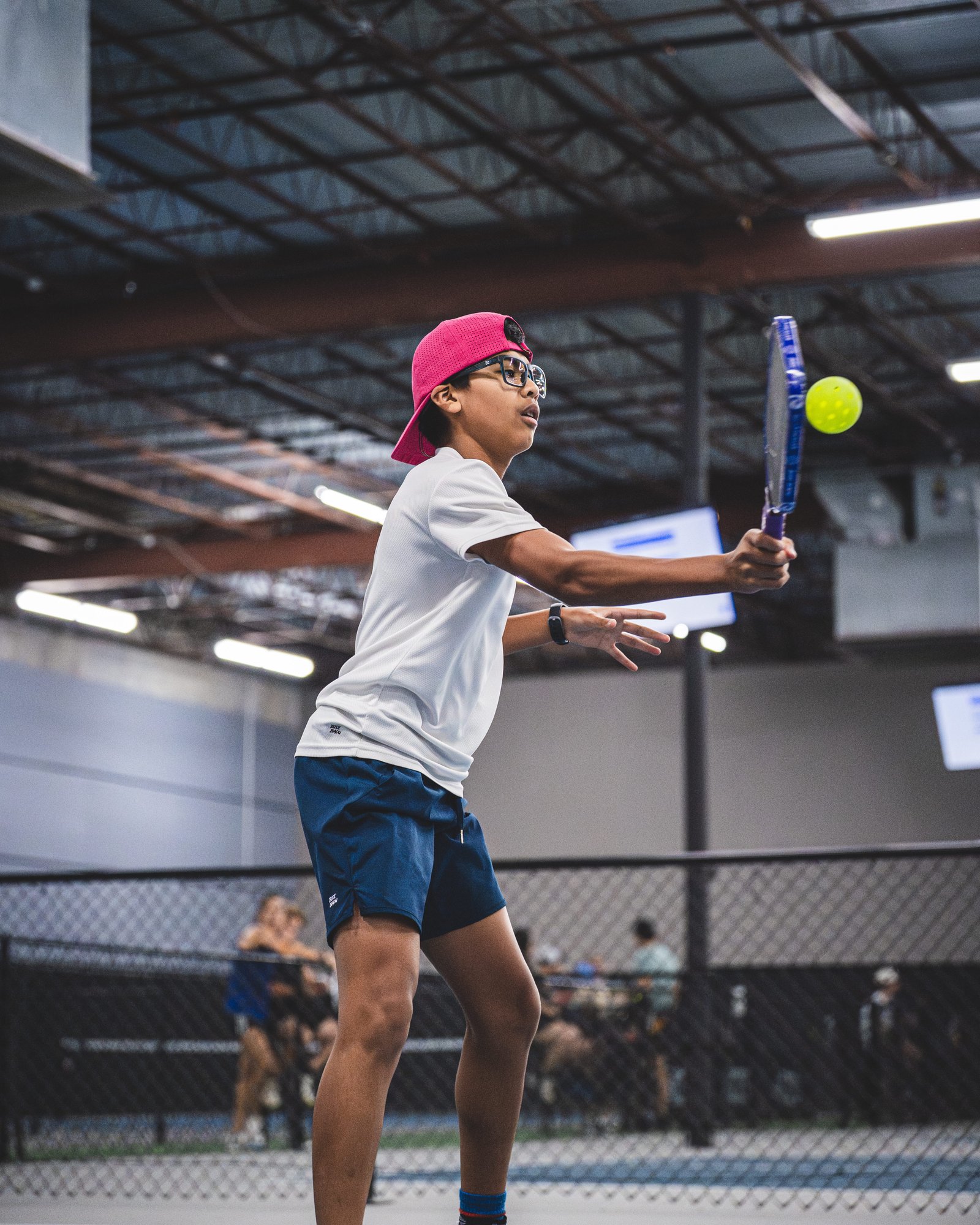
Advanced players often arrive with a well-developed sense of timing and a few signature shots that they want to refine. The focus shifts toward reducing unforced errors, optimizing movement efficiency, and sharpening communication with a doubles partner. In these sessions, the drills resemble high-level practice more than a general instruction. Coaches present complex patterns and pressure tests that push players to think several steps ahead while maintaining technical integrity. The progress here is measured not only in points won but in the precision of points constructed.
A note on accessibility and inclusivity
Era Pickleball has made a point of designing its classes to be accessible to diverse communities. There are options for different fitness levels, accommodations for injuries with alternative drills, and an emphasis on inclusive language and supportive coaching. The aim is to produce improvement without compromising safety or enjoyment, which means listening to individual needs and offering paths that suit life’s realities. The best programs I have seen in this space are the ones that treat every player as a person first and an athlete second. Era Pickleball consistently respects that balance.
What to expect from your first months
In the initial weeks, you should expect the pace to feel steady rather than frantic. The goal is not to overwhelm you with speed or novelty. You will accumulate small, tangible wins that accumulate into a real sense of capability. By the end of the first month, you might find your dink has more depth, your serves are more reliable, and your ability to move toward the middle of the court without overreaching is improved. By the third month, many players notice a broader strategic vocabulary. They can anticipate patterns, choose shot types with more intention, and maintain composure during longer rallies. The improvement is cumulative, so patience matters as much as effort.
The practical bottom line
Era Pickleball pickleball classes offer more than a collection of drills. They provide a structured, human-centered approach to learning a fast, demanding sport. The best coaches in the program blend precise technique with smart game sense, and they do so within a culture that prizes progress, honesty, and mutual support. If you are seeking a way to elevate your game while enjoying a healthier relationship with practice, this could be the kind of environment that helps you grow in the long run.
Final thoughts for players evaluating programs
When you compare Era Pickleball to other options, weigh not only the surface level features like class times or pricing but the cadence of coaching and the seriousness of the progression plan. Ask about how the coaches individualize cues, how often feedback is delivered, and what the progression looks like as you move from fundamentals into more complex play. If you value a learning curve that respects your starting point, rewards consistent effort, and keeps you grounded in practical improvements you can apply on the court, you will likely feel at home here.
As with any sport, the outcome you experience is a function of investment and honest participation. If you show up ready to learn, open to feedback, and willing to adjust your approach, Era Pickleball classes can be a catalyst for meaningful change. The transformation is not instantaneous; it is earned through repeated, mindful practice and a commitment to improving the way you move, think, and compete on the court. In my years observing players move from tentative beginners into confident, capable doubles teammates, I have learned that the most lasting performance gains come from a clear plan, steady work, and a coaching staff that treats improvement as a craft rather than a destination. In that sense, Era Pickleball is less about a single breakthrough and more about fostering the habits that keep players growing long after they have learned the basics.
If you are weighing the options for yourself or for someone you coach, consider this: the best pickleball training programs are not measured solely by wins on the scoreboard but by the ways in which players become more thoughtful, more resilient, and more connected to the game. Era Pickleball achieves that balance by design. The result is a class experience that feels purposeful in every drill, practical in every cue, and enduring in every improvement.
Corrections
Spot something wrong? Send it to the desk and it gets fixed in the open.